




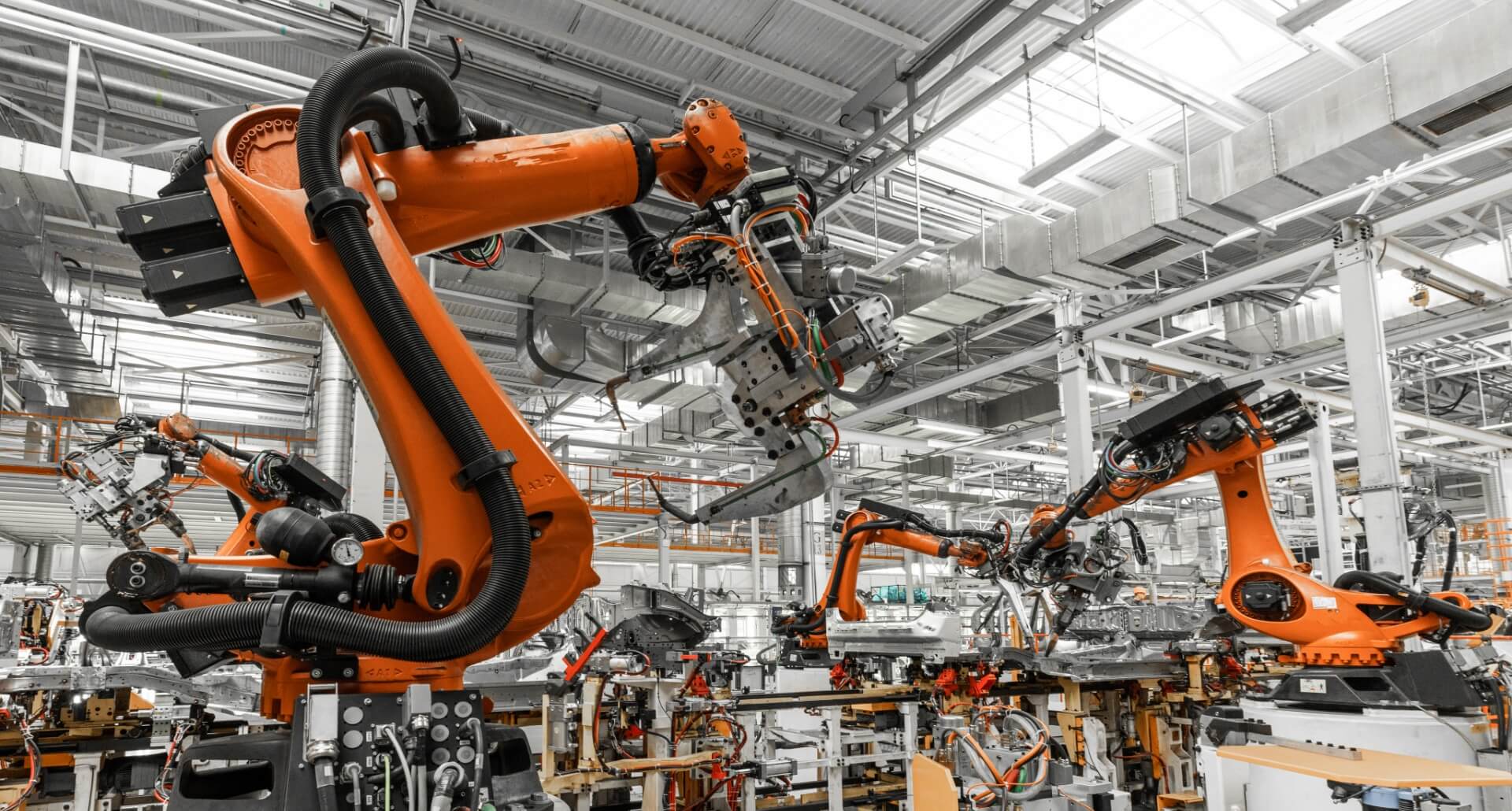
In the modern automotive industry, the constant pursuit of innovation and efficiency drives the development of increasingly sophisticated technologies. Among these technologies, the servomotor stands out as a fundamental component, playing a crucial role in the operation of numerous automotive systems. From steering control to transmission management, servomotors have become essential for the safe and efficient performance of today’s vehicles.
What Is a Servomotor? Before diving into its role in the automotive sector, it is important to understand what a servomotor is. In simple terms, a servomotor is a device that converts an electrical signal into mechanical motion. These motors are known for their ability to provide precise control over speed, torque, and position, making them ideal for a wide range of applications within the automotive industry and beyond.
Power Steering Control One of the most well-known automotive applications of the servomotor is in power steering systems. Power steering—whether hydraulic or electric—uses servomotors to help the driver turn the wheel with less effort. These motors are connected to the steering system and receive inputs from the steering wheel and other sensors to adjust the level of assistance delivered. The result is smoother, more precise steering, particularly at low speeds and during parking maneuvers.
Automatic Transmission Control Another critical area for servomotors is automatic transmission management. In vehicles equipped with automatic transmissions, servomotors are responsible for smooth, efficient gear shifts. They receive signals from the transmission control unit and actuate clutches and gears to execute shifts at the optimal moment. This not only enhances driving comfort but also optimizes fuel efficiency by keeping the engine within its ideal RPM range.
Active Safety Systems Control Beyond steering and transmission, servomotors are vital to modern active safety systems. For example, they can control Anti-lock Braking Systems (ABS) and Electronic Stability Control (ESC), modulating brake pressure at individual wheels and selectively applying brakes to maintain vehicle stability during emergencies. Similarly, servomotors are integral to advanced driver assistance systems (ADAS), such as adaptive cruise control and lane-keeping assist.
Future Innovations and Challenges As the automotive industry progresses toward autonomous and connected vehicles, the role of the servomotor will continue to evolve. Servomotors are set to play a pivotal part in enabling autonomous driving, where precise, responsive control over multiple onboard systems is required. However, this shift also introduces challenges related to cybersecurity and reliability, as vehicles rely increasingly on electronic and networked communication systems.
Servomotors deliver essential, reliable precision across a wide array of critical vehicle systems. From power steering to transmission control and active safety features, they serve as the driving force behind modern automotive safety and efficiency—and their importance will only continue to rise alongside industry innovation.

 844.299.0669
 contacto@mixsal.com


